

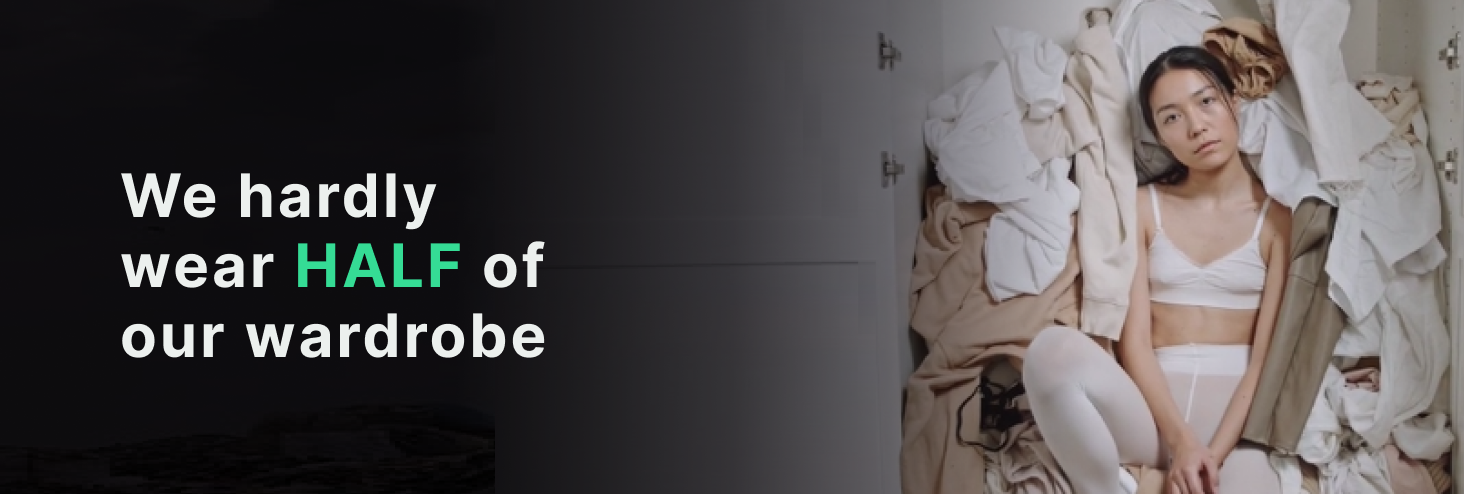
23% of clothes in London remain unworn
Did you know that a staggering 23% of clothes in London remain unworn? However, if you take a closer look at your own wardrobe, it might feel like that number could be even higher, perhaps closer to 50%. We are trapped in a cycle of excessive shopping, driven by the allure of affordable and abundant fast fashion. The result? An overwhelming number of clothes that we seldom wear and a significant burden on the environment. It's time to address our unsustainable fashion shopping practices and seek a more conscious and eco-friendly approach.
The Fast Fashion Temptation: The Root of the Problem
The rise of fast fashion has revolutionized the way we shop for clothes, offering low prices and a constant stream of trendy designs. However, this convenience comes at a cost. Many of us fall into the trap of purchasing items on impulse, often without considering their long-term value or fit into our existing wardrobe. The result is an accumulation of clothes that are barely or never worn, leading to the shocking statistics of unworn clothing in cities like London.
The Perfect Look Quest: An Endless Cycle
One shopper's confession of buying 20-30 items to finally combine the perfect look that she will wear intensively reflects a common struggle. We often buy multiple pieces in the pursuit of the perfect outfit, only to realize that most of them do not serve any meaningful purpose in our daily lives. This not only leads to wasted money but also contributes to the growing issue of textile waste and its environmental impact.
Initiating a Circulation of Clothes: Towards a Sustainable Solution
The question arises: Is there a way to break this cycle and initiate a circulation of clothes that increases utilization rates, reduces waste, and makes our fashion purchases more sustainable? The answer may lie in embracing AI-driven technologies to revolutionize the way we shop and manage our wardrobes.
The Power of a Personal AI Stylist
Imagine having a personal AI stylist that knows your body metrics, has access to fashion store inventories, and manages your wardrobe seamlessly. Such a technology-driven approach can address two eternal fashion problems: the perpetual "nothing to wear" dilemma and the lack of space to accommodate our ever-growing clothing collection.
AI-driven technologies can help us make more conscious and sustainable fashion choices. One example of this is the 7Looks app, which empowers users to buy fitting looks, manage their daily styling and wardrobe, and sell items they no longer need to fund fresh looks. By creating a circular fashion loop, this app facilitates the utilization of clothes and reduces waste. It is estimated that adopting such circular fashion practices can help reduce approximately 300 kg of CO2 and 10 kg of waste per person per year, contributing to a significant positive environmental impact.
Extending the Circular Fashion Loop
The potential of AI-driven circularity apps is not limited to fashion alone. Imagine having easy-to-use circularity apps for every consumer product category. From electronics to household goods, such technologies can assist consumers in making sustainable choices and actively reducing their carbon footprint.
A Sustainable Vision: The Impact on Our Planet
Now, let's extrapolate the impact of such an easy-to-use circularity app to a larger scale. Considering just half of Westfield shopping centre visitors adopting these circular fashion practices and similar approaches for other product categories, we could witness a remarkable reduction of approximately 7.5 million tons of CO2 and 250,000 tons of waste per year. This staggering figure underscores the potential of AI-driven technologies in driving positive change for our planet.
Conclusion: Embrace the Future of Sustainable Fashion Shopping
Our unsustainable fashion shopping practices have led us down a path of excessive consumption, waste, and environmental strain. However, the future offers hope in the form of AI-driven technologies that can revolutionize the way we shop, manage our wardrobes, and make sustainable choices. The 7Looks app serves as an example of how embracing circular fashion practices can significantly reduce our carbon footprint.
As consumers, we hold the power to make a difference. By adopting easy-to-use circularity apps and embracing sustainable fashion practices, we can collectively pave the way for a more conscious and eco-friendly fashion industry. It's time to break free from the fast fashion dilemma and step into a future where our fashion choices not only reflect our style but also contribute to a healthier planet. The time for change is now.