

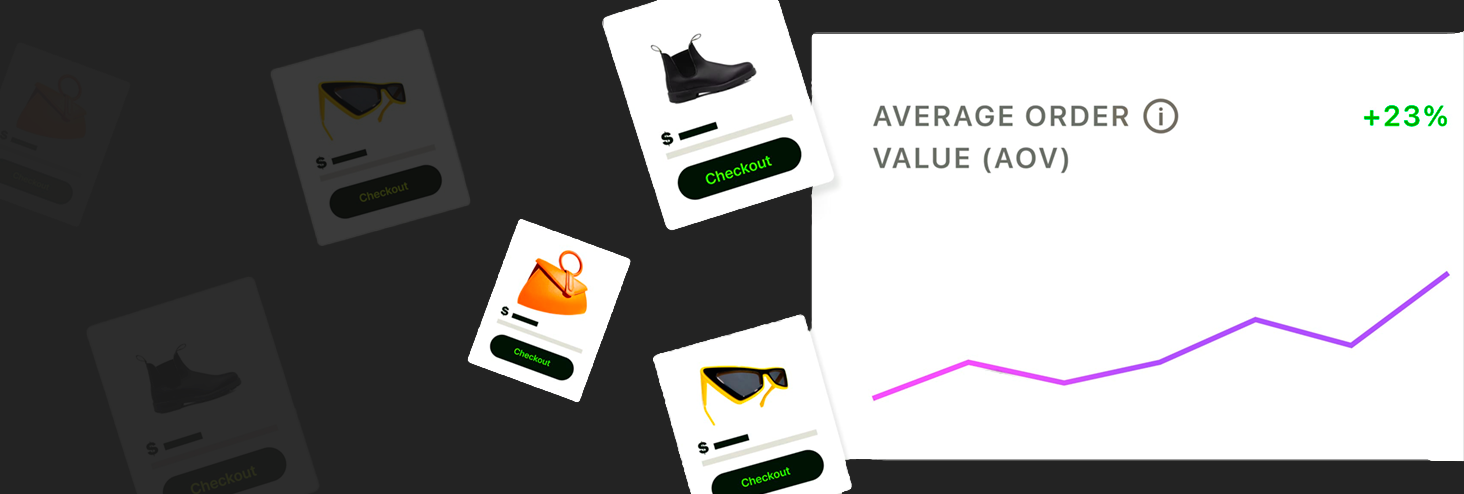
Is it possible to increase AOV (Average Order Volume) in a sustainable way?
In the face of declining fashion retail sales, many technology-focused retailers have resorted to aggressive tactics to sell anything at any cost. However, this approach often leads to two significant problems that we have: an overabundance of clothing with nothing to wear and limited space for storage. As the industry strives to find sustainable solutions, a crucial question arises: Can average order volume (AOV) be increased in a sustainable way? The answer lies in embracing fashion circularity.
The Problem: Excessive Consumption and Waste
The current retail technology landscape often prioritizes maximizing sales volume without considering the consequences of overconsumption. This approach contributes to a culture of excessive purchasing, where consumers are encouraged to buy more and more without careful consideration of the actual need. Consequently, wardrobes become cluttered, and garments end up unused or discarded, resulting in environmental waste.
According to the Ellen MacArthur Foundation, the fashion industry produces approximately 1.2 billion tonnes of greenhouse gas emissions each year, more than international flights and maritime shipping combined. Additionally, a study by WRAP estimated that around 300,000 tonnes of clothing are sent to landfill in the UK each year, with only a small percentage being recycled. These statistics highlight the urgent need for a sustainable approach to fashion retail.
What is we use circular fashion principles and user-friendly tools
To increase AOV sustainably, retailers must embrace the concept of fashion circularity. Circular fashion focuses on extending the lifespan of garments and minimizing waste. By encouraging customers to make conscious purchases, wear items multiple times, and resell them when no longer needed, a significant environmental impact can be achieved.
Total Fitting Look Approach
One effective strategy for sustainable AOV growth is promoting the purchase of complete outfits or total fitting looks. When customers buy an entire coordinated outfit that they know they will wear on specific occasions, the likelihood of returning the items decreases. This approach encourages customers to think holistically about their wardrobe needs, leading to more intentional and sustainable purchases.
Easy-to-Use Tools for Reselling
To support circular fashion practices, retailers should provide customers with user-friendly tools to sell their pre-owned clothing. By offering a seamless platform or marketplace for reselling, customers can easily find new owners for their gently used garments. This process not only extends the lifespan of the clothing but also reduces the need for new production, resulting in a significant environmental impact.
Environmental Impact of Reselling
When a customer resells a total fitting look or individual items through a user-friendly platform, they enable the next user to reduce their carbon footprint and waste generation. Research shows that by buying pre-owned clothing, a person can save approximately 60 kg of CO2 emissions and 2 kg of waste, as the garments do not have to be produced from scratch.
What’s next?
Now imagine that you have an AI-driven tool - a simple app that acts as your personal digital stylist disregarding where are you in your customer journey: in-store or at home. It helps you find and buy a fitting look in-store or online, assists with daily styling and even lets you sell the clothes you don’t need with one click. It would mark a new era of blended retail and create enormous opportunities for circular fashion impact.