

Living a sustainable life is a desire shared by many, as evidenced by a Visa research study, which found that 92% of people surveyed expressed their wish to adopt sustainable practices. However, the same study revealed that only 16% of individuals are actively taking steps to change their behavior towards sustainability. This disparity between intention and action is known as the "intention/action gap." While this gap may seem discouraging, the solution to bridging it lies in providing easy-to-use tools that seamlessly integrate sustainability into our daily lives. One such avenue is embracing AI-driven technologies to develop carbon reduction tools that fit effortlessly into our routines.
The "intention/action gap" study is a fantastic initiative to address, as it highlights the need for accessible and user-friendly solutions to promote sustainability. The truth is, despite the genuine desire to lead sustainable lives, people often find it challenging to implement sustainable practices, particularly in areas like fashion. Many are unaware of the environmental impact of their clothing choices, while others struggle to navigate complex systems when attempting to make eco-conscious decisions.
The lack of easily accessible circular fashion tools and sustainability platforms is a significant barrier to progress. Trying to use wardrobe management apps or selling items on second-hand platforms can be a cumbersome process. This hinders the ease of integrating sustainability into our lives and discourages individuals from taking active steps towards reducing their carbon footprint.
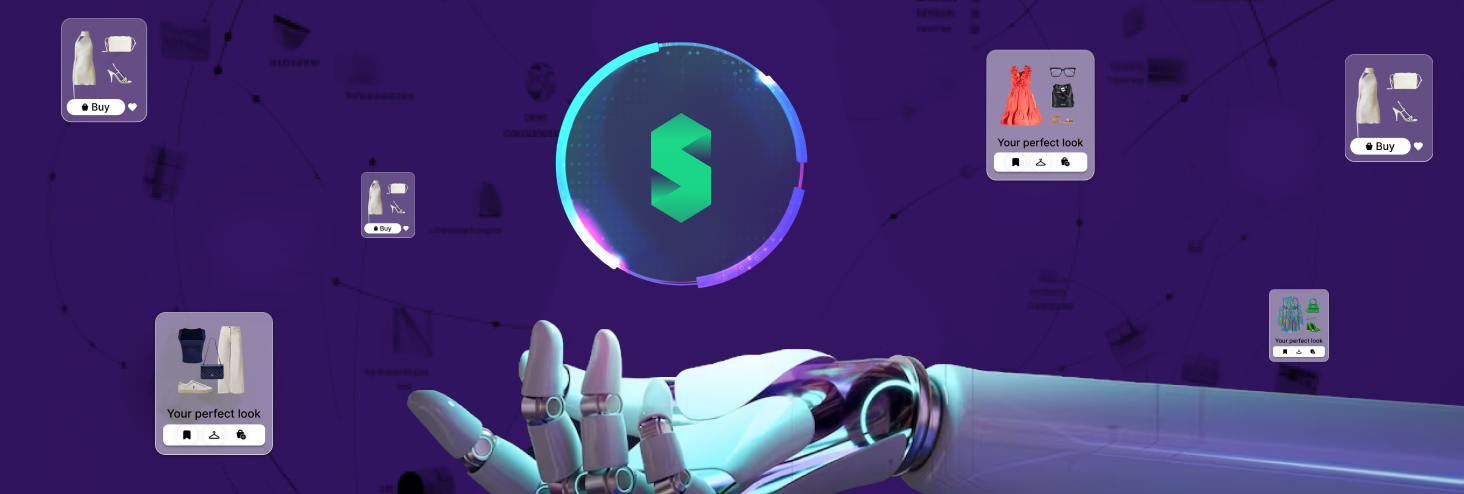
AI-driven technologies offer a promising solution to the intention/action gap, particularly in the realm of fashion sustainability. One such innovative app is 7Looks, which provides a comprehensive approach to circular fashion. It not only helps users buy outfits that suit their style and body, but also offers features for daily wardrobe management and the option to sell items they no longer need. By enabling users to create a circular fashion loop, the app makes sustainability a seamless part of their lifestyle.
The impact of such a circular fashion loop cannot be underestimated. On average, a person can reduce around 300 kg of CO2 and 10 kg of waste per year by adopting a more circular approach to fashion consumption. This significant reduction in carbon emissions and waste stems from the avoidance of excessive production and landfill waste, leading to a positive environmental impact.
Extending this idea to other consumer product categories holds immense potential for climate impact. Imagine having easy-to-use circularity apps for electronics, household goods, and more. These apps would empower consumers to make informed and sustainable choices when buying, managing, and reselling products. The cumulative effect of millions of people adopting such practices could result in a substantial reduction in carbon emissions and waste on a global scale.
To put this into perspective, consider the scenario of implementing easy-to-use circularity apps in just one shopping center, such as Westfield. If half of its visitors adopted the circular fashion loop and similar approaches for other product categories, it could result in reducing approximately 7.5 million tons of CO2 and 250,000 tons of waste per year. Such a significant reduction showcases the transformative potential of embracing AI-driven technologies in sustainability efforts.
In conclusion, the "intention/action gap" in sustainable living is a pressing issue that demands our attention. To make meaningful progress in sustainability, we must focus on providing accessible and easy-to-use tools that seamlessly integrate eco-conscious practices into our daily lives. AI-driven technologies like the 7Looks app exemplify the potential for transforming how we approach fashion sustainability and can be extended to other product categories as well. By collectively embracing these innovations, we can close the "intention/action gap" and pave the way for a more sustainable future for ourselves and the planet.